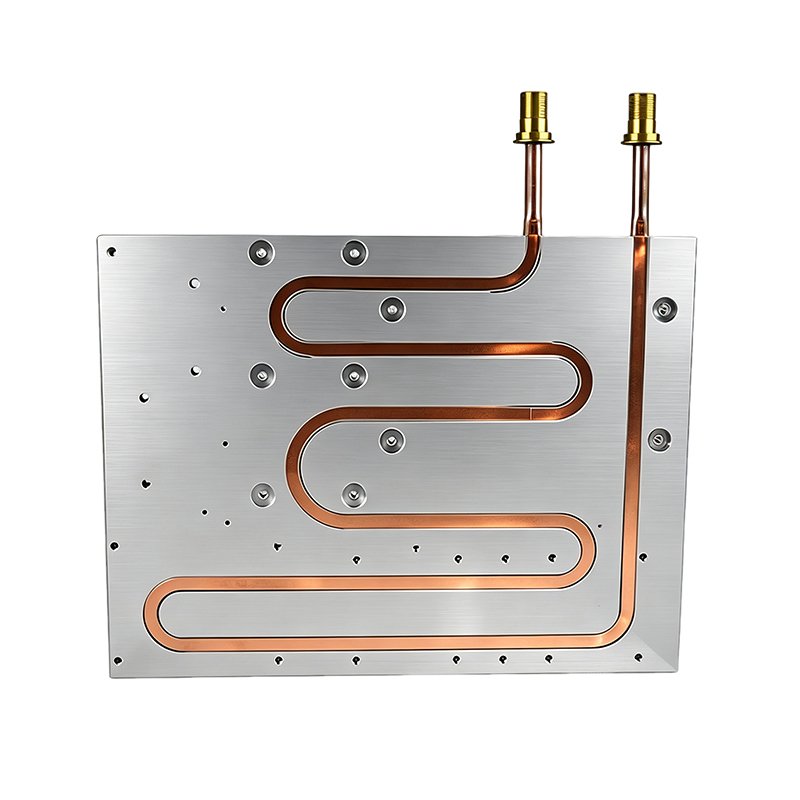
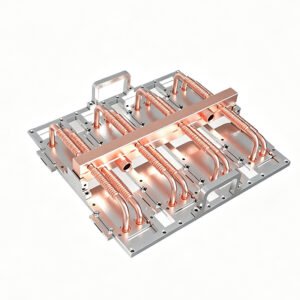
In fields such as power electronics control, substation operations, drive systems, and signal transmission—as well as in the new energy sector (including heat dissipation for new energy vehicle batteries, UPS and energy storage systems, large-scale servers, large photovoltaic inverters, and SVG/SVC systems)—where the pursuit of high performance, low noise, and low-temperature operation is coupled with space constraints, heat dissipation has become a major obstacle to product development. Liquid-cooled plate technology has emerged as the preferred thermal management solution.