Challenge 1: Internal Oxidation and Weld Slag Residue → Blocked Flow Channels
Vacuum Brazing Solution: The entire process is conducted in a high-vacuum environment of 10−3 to 10−3 Pa, free of oxygen and flux. After brazing, the inner walls remain as smooth as new, eliminating the need for secondary cleaning and directly mitigating the risk of coolant crystallization.
Challenge 2: Deformation of Large-Area Thin Sheets → Drastic Increase in Thermal Resistance
Vacuum Brazing Solution: Uniform radiant heating inside the furnace, combined with custom graphite/metal fixtures, allows for synchronized release of thermal stress, ensuring micron-level surface contact between the heat sink and IGBT/chip modules.
Challenge ③: Melting or cold joints at tube-to-tube sheet connections → High-pressure leakage
Vacuum brazing solution: Precise temperature control within ±2°C allows the filler metal’s capillary action to automatically fill the gap between the tube nozzle and the base plate, forming a metallically bonded fillet joint that increases pressure resistance by 300% (compared to manual flame brazing).
| Base Material Types | Recommended Filler Metals | Key Advantages (for Heat Dissipation Applications) |
|---|---|---|
| Aluminum Alloys (Series 3/Series 6/Cast Aluminum) | Al-Si (4047/4045) Magnesium-Based Brazing Alloy | Excellent resistance to electrochemical corrosion; suitable for water-cooled or ethylene glycol coolant environments |
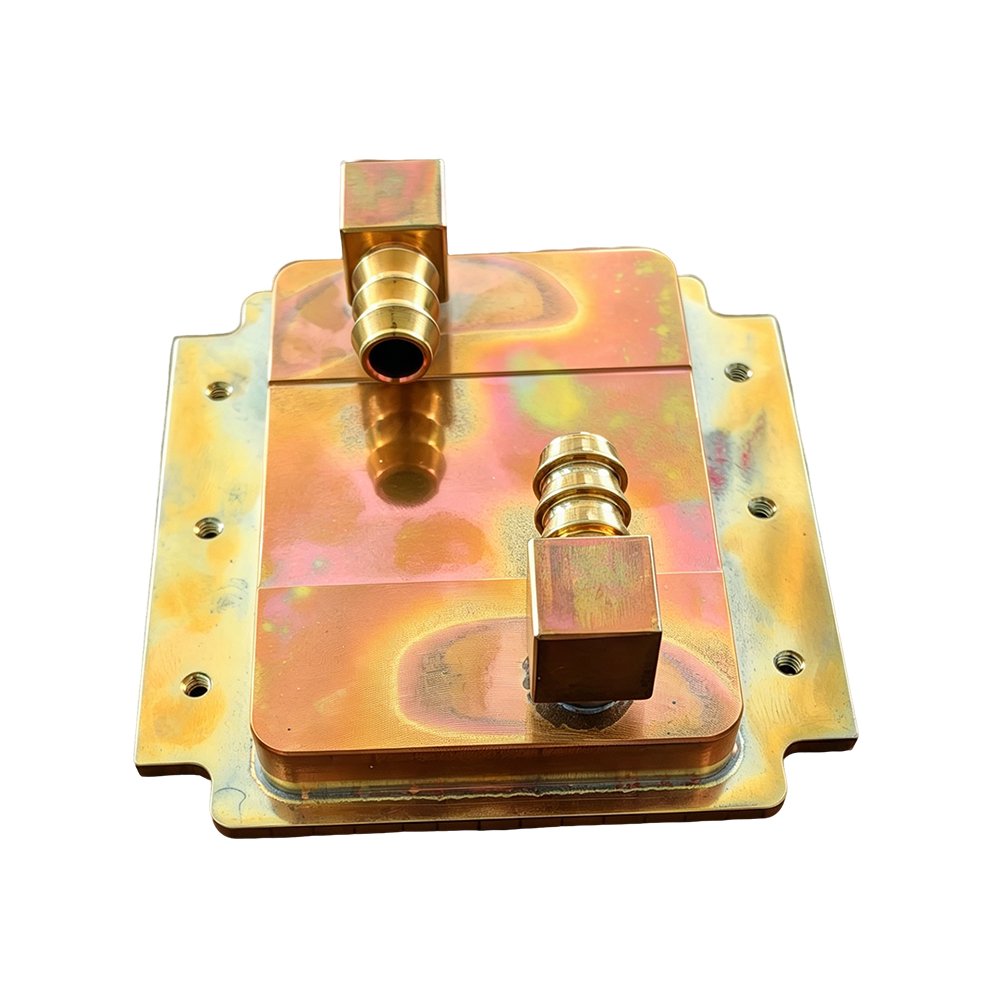
| Copper/Oxygen-Free Copper (C10200) | Phosphor Bronze (BCuP) or Silver-Based (BAg) | Thermal conductivity up to 400 W/m·K, specifically designed for high-power laser cooling |
| Stainless Steel (304/316L) | Nickel-based (BNi-2/BNi-5) | Resistant to high temperatures and pressures; suitable for aerospace hydraulic lines and extreme operating conditions |
| Copper-Aluminum Dissimilar Metal Welding | Specialized Al-Cu composite brazing layer | Eliminates galvanic corrosion, achieving the perfect balance between lightweight design and thermal conductivity |
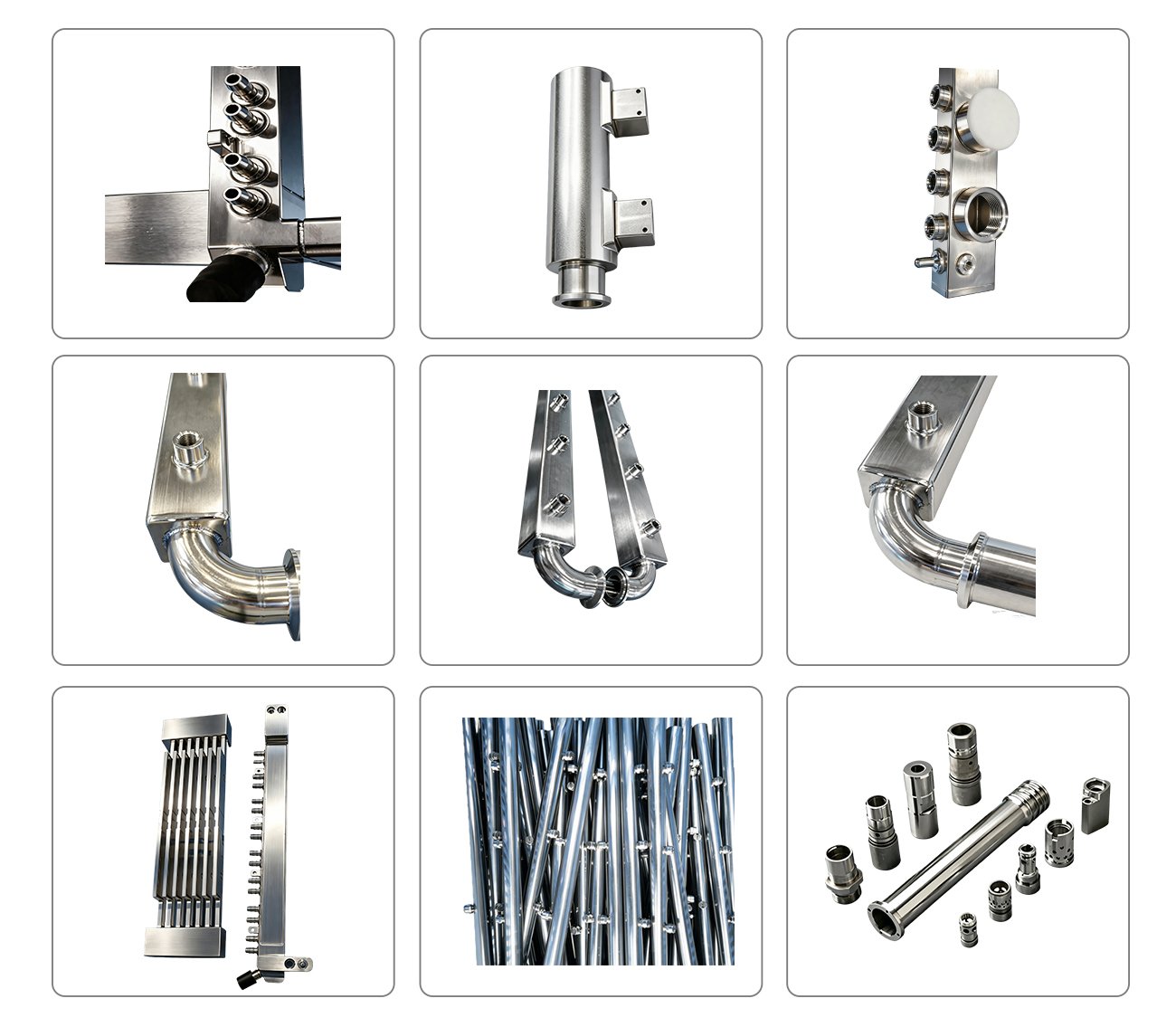
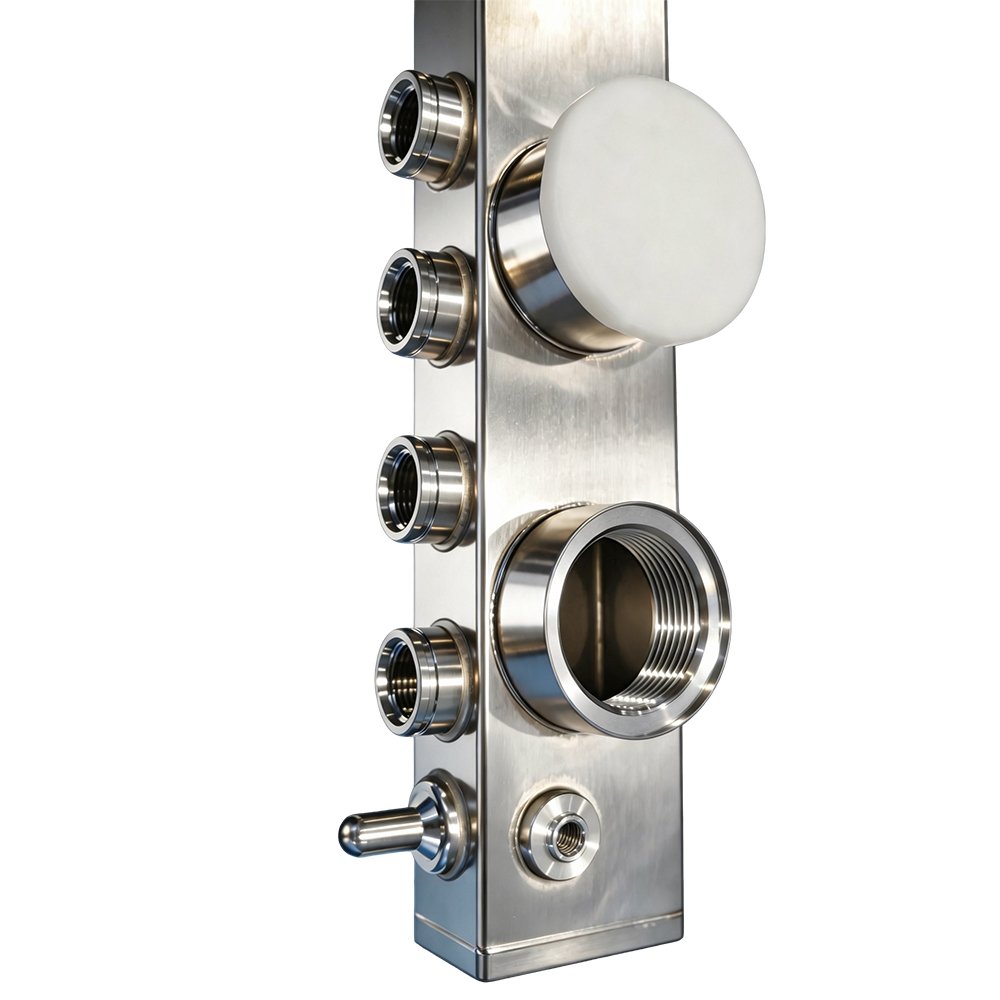
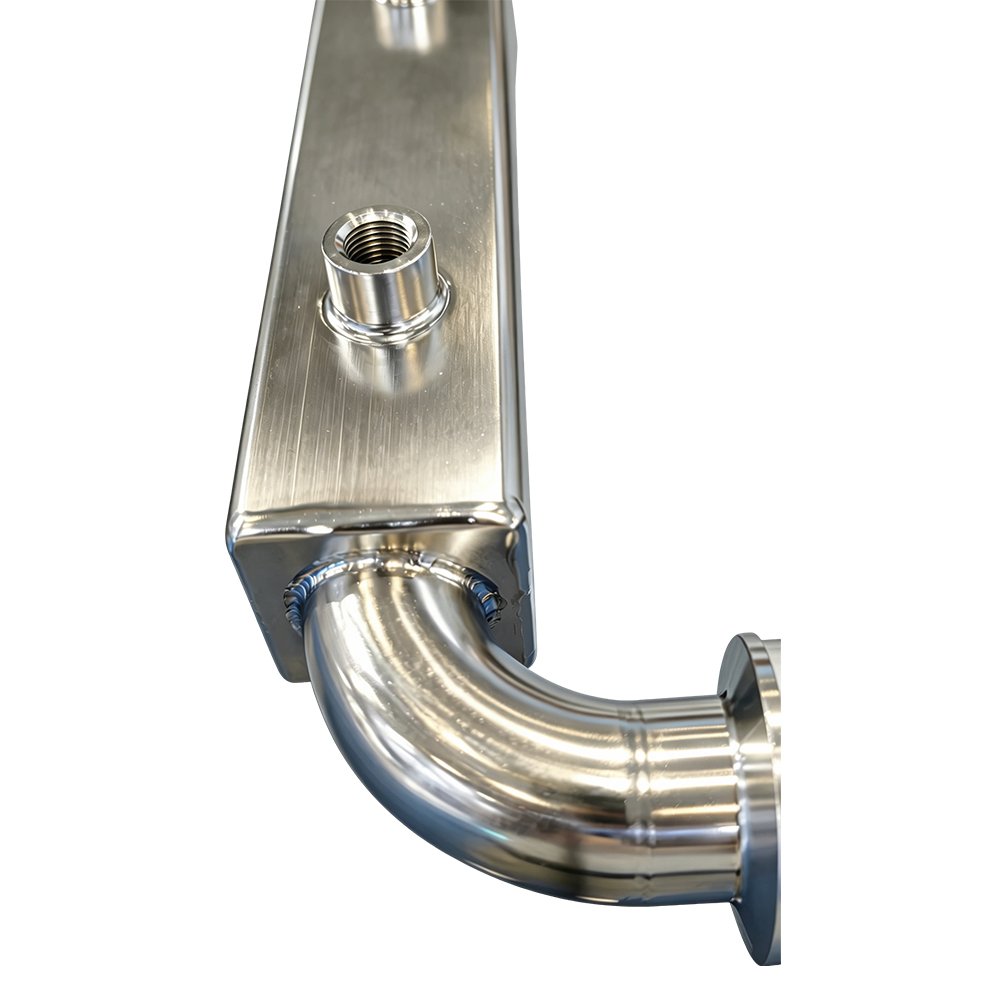
We provide vacuum-brazed finished and semi-finished products—including pipes and heat spreaders—for the following sectors:
New Energy Vehicles: Water-cooled plates for power batteries, heat sink substrates for motor controllers, and chiller cold plates.
Power Electronics: IGBT finned heat sink plates, photovoltaic inverter heat pipe manifolds, and high-voltage direct current transmission valve cooling systems.
RF and Microwave: Liquid-cooled piping for power amplifier modules and phased array radar antenna heat sink plates.
Aerospace: Fuel heat exchangers, avionics heat sink plates, and titanium alloy duct assemblies.